
 i
History
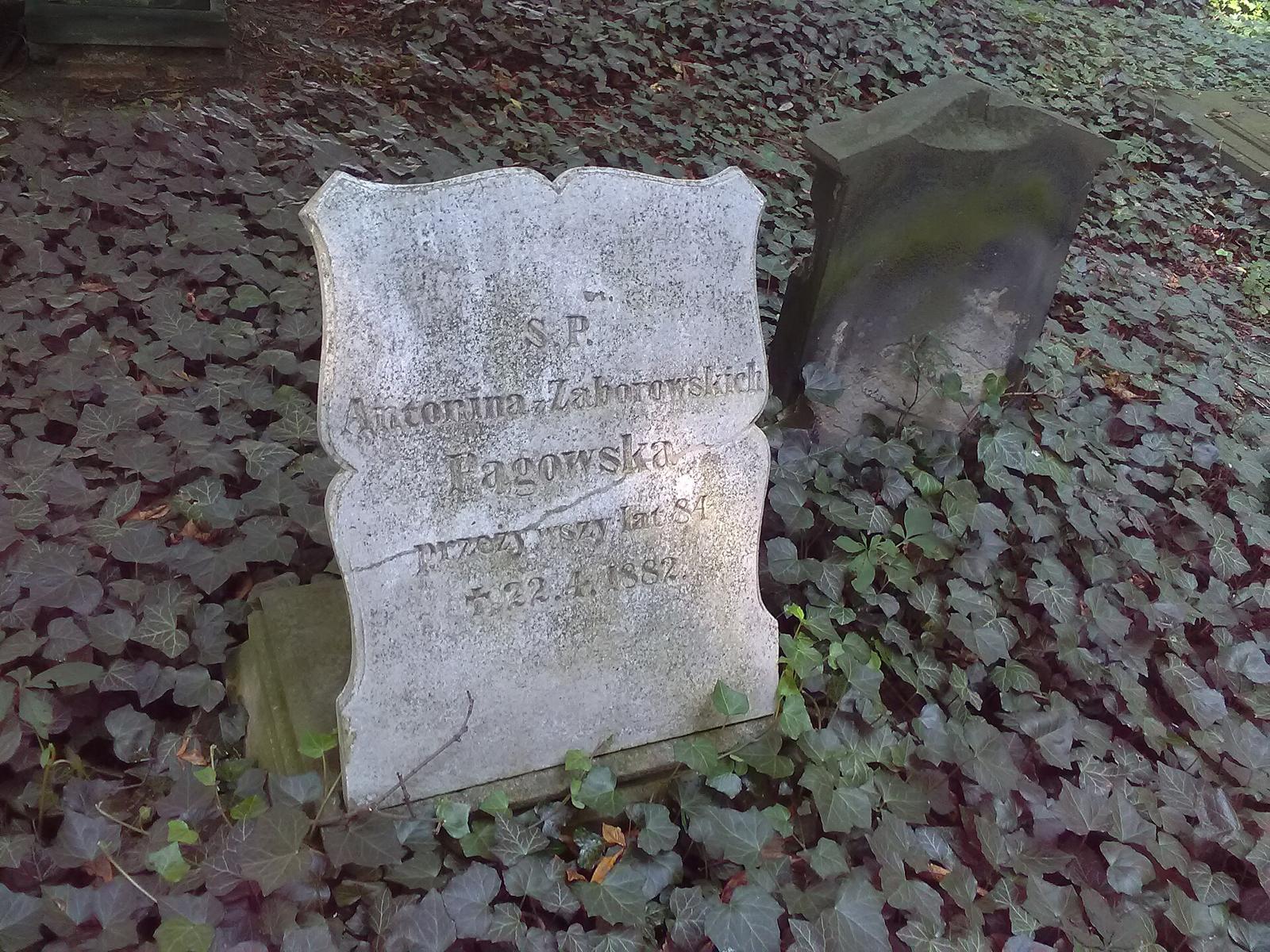
The site for the cemetery was designated in 1808, and the oldest surviving tombstone is dated 1813. From the end of the 19th century, when the parish received a new cemetery, it was called the old Fara cemetery.
In 1948 it was decided that the old cemetery would become a necropolis of distinguished Greater Poland people. In 1959 the remains of 79 people from the cemetery on ul. Towarowa, which was being closed, were moved here. On 11 January 1971 the parish handed the necropolis to the secular authorities.
What to see
A Baroque figure of Our Lady of 1771, moved from the Reformed Franciscan monastery in Śródka.
The tombstone of Aniela Dembińska, née Liszkowska, who died aged 20, carved in 1889 in Paris by Władysław Marcinkowski.
The graves of, among others, Gen. Stanisław Taczak, the first commander of the Greater Poland Uprising, Prime Minister Stanisław Mikołajczyk, the city mayors Szymon Wroniecki, Jarogniew Drwęski and Cyryl Ratajski, and the pianist Raul Koczalski. Hipolit Cegielski is commemorated by a symbolic grave.
A stone dedicated to “the Greater Poland people who did not return from the mountains”, set up in 1994 by the Polish Tatra Society.
Good to know
The seemingly grave-free clearing at the foot of the hill is a mass grave of victims of the cholera epidemics of 1831–1873.
The visiting hours are given by the poznan.pl portal. The same page has a grave search engine. This is a working cemetery, so the behaviour appropriate to such a place applies.