
 i
Craters and meteorites
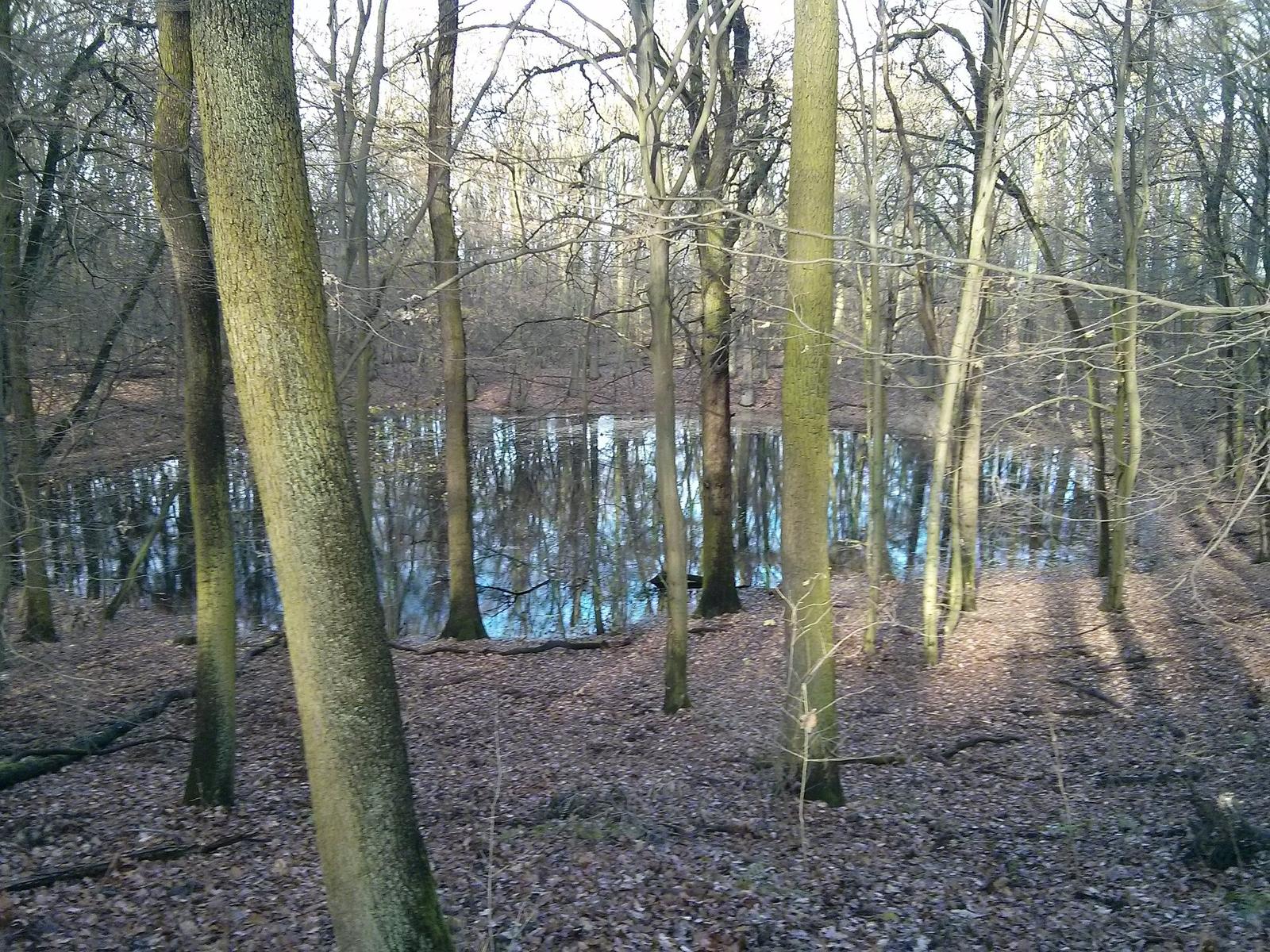
There are six craters in the reserve. The largest is about 90 metres across and 11.5 metres deep, and some of them are filled with water.
The first meteorite was found here in 1914. More are found to this day. In 2012 a meteorite of about 261 kg was dug up, the largest known in Poland.
Poznań is one of the few cities in the world that have meteorite craters within their boundaries.
Nature
Most of the reserve is covered by grąd, that is, oak-hornbeam forest. In spring martagon lily, asarabacca and lily of the valley, among others, bloom here.
In the water-filled craters amphibians gather in spring, including newts and the yellow-bellied toad. Among birds, the black woodpecker and the raven live here.
In the reserve stands Morasko Hill, the highest elevation in Poznań, and the small lake Zimna Woda.
Good to know
A tourist trail and an educational path with boards, prepared by the Astronomical Observatory of AMU and the Salamandra Society, lead through the reserve.
In the reserve you may walk only along marked trails. You must not pick plants or search for meteorites.
Bring comfortable shoes: this is a walk along forest paths, with no park infrastructure.