 i
History
In 1798 the city bought the land for 2,500 thalers and levelled a hill called Mucha Góra (Fly Hill) to create the square. It was named Wilhelmsplatz, after the Prussian king Frederick William III.
On 26 January 1919 Greater Poland soldiers and Gen. Józef Dowbor-Muśnicki took a solemn oath here. In April 1919 German monuments were removed from the square, and in June the square received its present name.
What to see
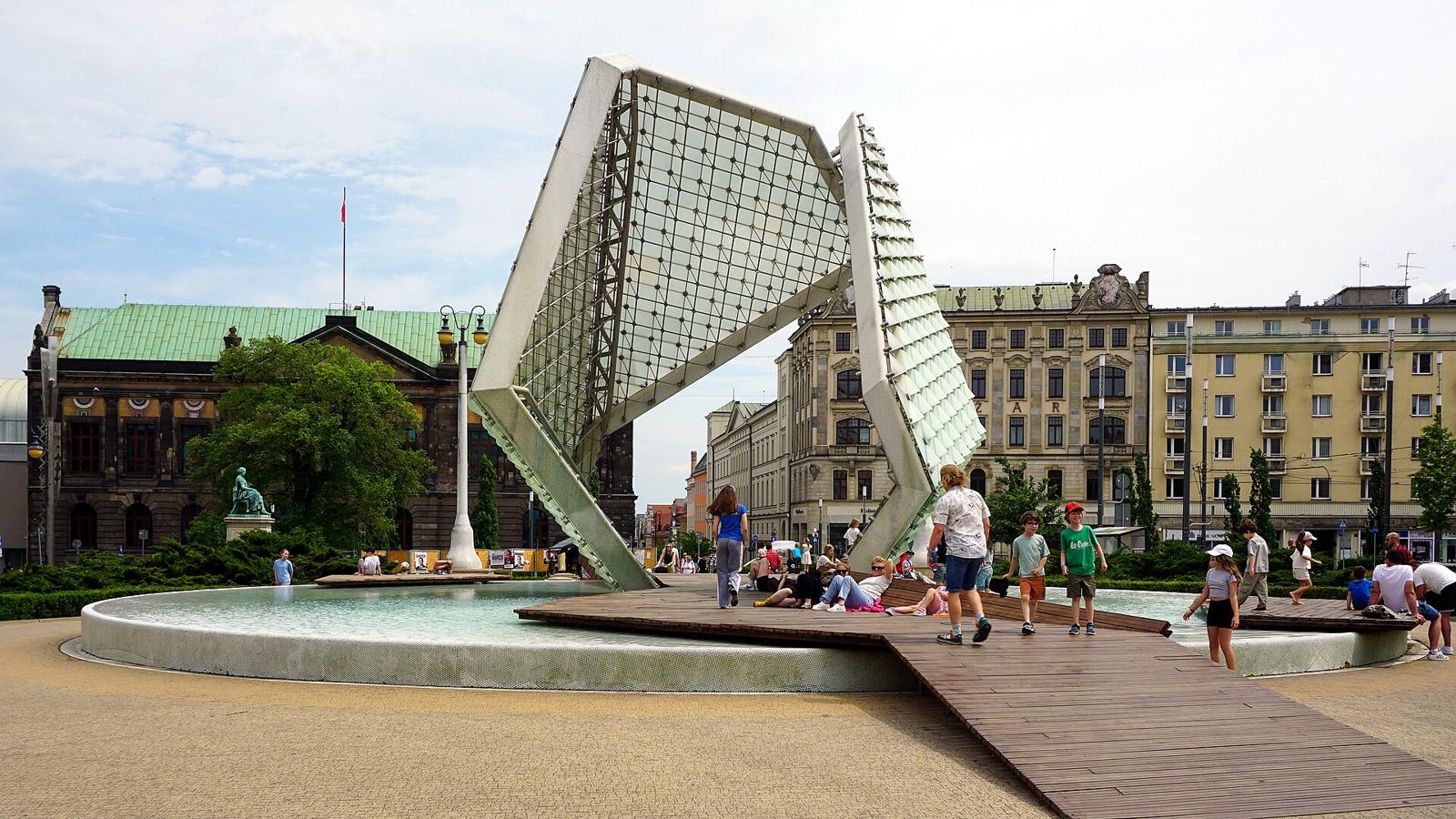
The Freedom Fountain, switched on in 2012 at the eastern end of the square.
The Hygieia Fountain on the north side, next to the Raczyński Library.
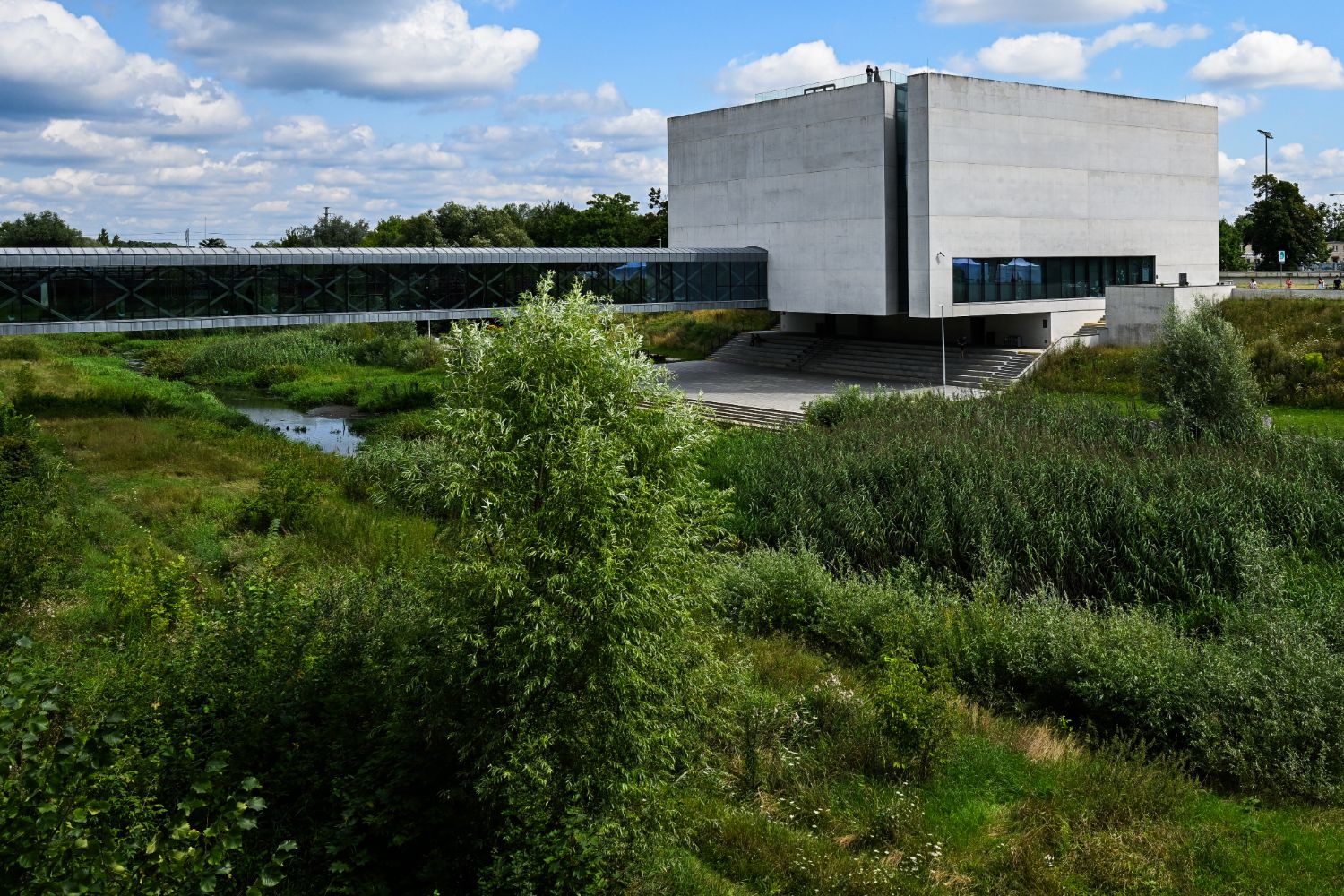
Monuments around the square: the National Museum, the Hotel Bazar and the Raczyński Library, as well as historic townhouses and department stores.
Four maple-leaved plane trees, which in 2023 were protected as natural monuments.
In the townhouse of the Union Insurance Company of 1910–1911 (Plac Wolności 14) operates one of the oldest working lifts in Poland.
Good to know
Under the square's surface is a three-level car park for more than 500 cars, opened in 2006.
The square hosts fairs and seasonal events, among them the Poznań Bethlehem Christmas Market (in the 2026/27 season from 20 November to 6 January) and the Easter Fair. Current dates are in the events calendar.