
 i
History
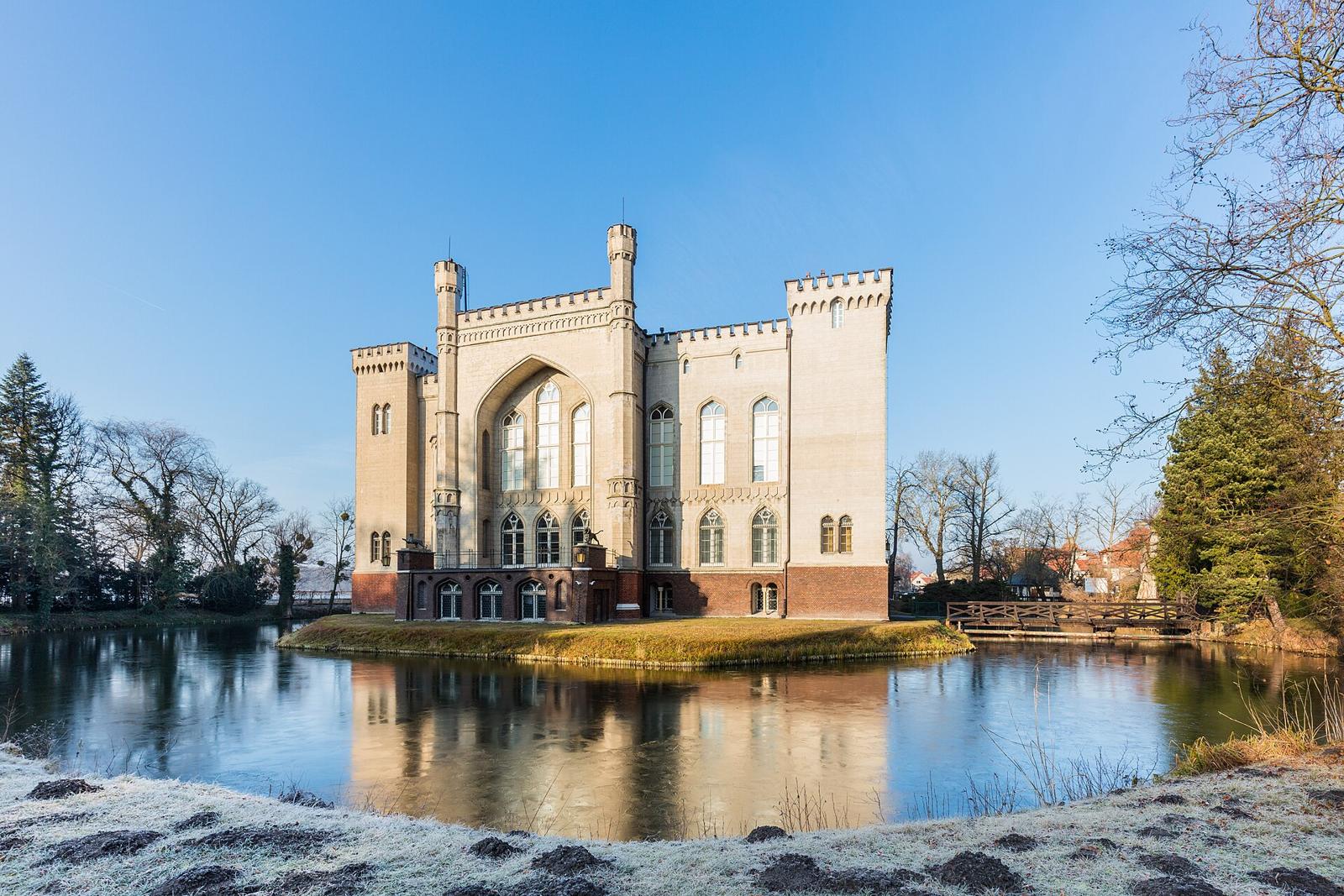
In the 18th century Teofila Szołdrska-Potulicka laid out a French garden by the castle. In 1826 Tytus Działyński turned it into a Romantic park, from which the history of the arboretum is counted. The collection was developed by his son Jan and grandson Władysław Zamoyski, who gave the Kórnik estate to the Kórnik Establishments Foundation.
In 2026 the arboretum celebrates its 200th anniversary, and the castle its 600th.
What to see
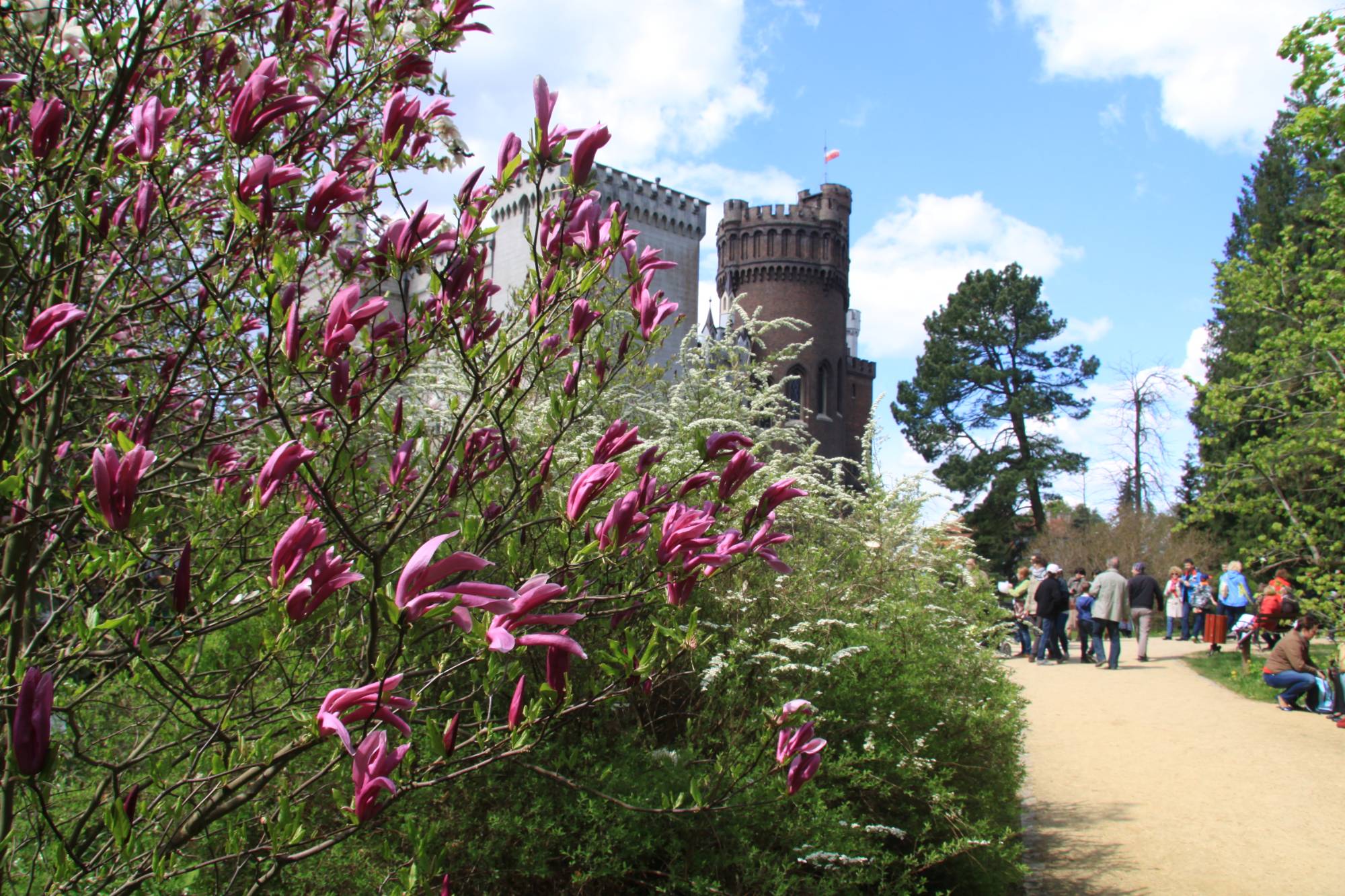
Blooming magnolias (April and May), the largest collection of lilacs in Poland (May), and rhododendrons and azaleas (the second half of May).
The oldest bald cypress in Poland and its roots.
Lime, beech and oak trees several centuries old, and exotic magnolias, Greek firs and dawn redwoods more than a hundred years old.
In autumn, the katsura tree, whose leaves smell of candy floss.
The “Trees of the World” trail (3.5 km) with boards about 25 tree species from North America, Asia and Europe.
The “Yew Chambers” trail about the common yew, its poisonous properties and its former uses.
A field game with stamps for the youngest, “Gnomes in the Arboretum”, and the wooden gnome houses.
A picnic and educational clearing and a nature playground.
Good to know
You buy a ticket at the ticket office before the entrance, by card or cash. Sales end half an hour before closing. The castle is a separate institution with its own tickets.
There is no catering in the arboretum. From May to September a free toilet is open, and by the entrance there is a paid one.
Parking: paid at the castle forecourt (cars only) or free at Proment, a 5-minute walk.