 i
About the district
The first written mention of Jeżyce appears in the charter of Poznań of 1253. For centuries it was an agricultural village. In the 18th century the Bambers, settlers from around Bamberg, settled here.
In 1848 Poznań's first railway station was opened in Jeżyce. After the district was incorporated into the city in 1900, village buildings were replaced by multi-storey rental townhouses. The old village layout survives in the oval shape of ul. Kościelna.
What to see
Rynek Jeżycki, the heart of the district. One of the oldest markets in Poznań operates on it: vegetables, fruit, flowers, bread, cheese, honey and second-hand books.
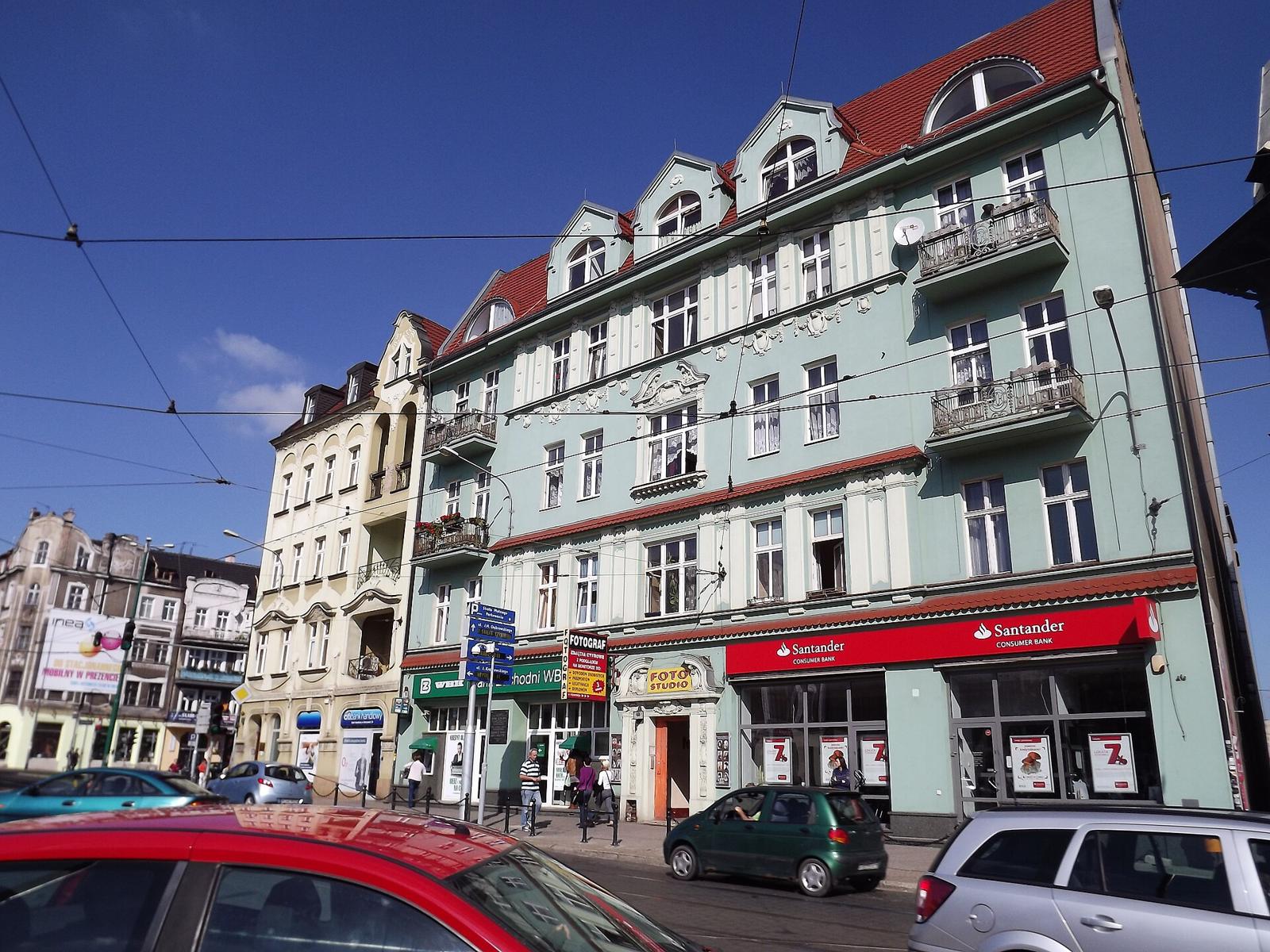
Art Nouveau townhouses on ul. Dąbrowskiego, ul. Mickiewicza, ul. Słowackiego and ul. Prusa, as well as villas on ul. Roosevelta and ul. Zacisze.
The Teatr Nowy on ul. Dąbrowskiego and the church of the Sacred Heart of Jesus and St Florian from 1906.
The Jeżycjada trail
Jeżyce is the setting of the “Jeżycjada”, a series of novels by Małgorzata Musierowicz. The Poznań Local Tourist Organisation created the Poznań Jeżycjada Trail together with the author: about 7 km (a shortened 3 km variant) through Jeżyce and the Imperial Quarter, with quotations and recordings read by the writer.
Good to know
Jeżyce is also home to the Old Zoo and the Botanical Garden of Adam Mickiewicz University. Both are described on separate pages.